Selling in the Gulf: How B2B Deals Actually Close
From a year in Dubai selling CRM and loyalty technology: 250+ companies reached, 50+ enterprise conversations opened. Here is what the process actually looks like.
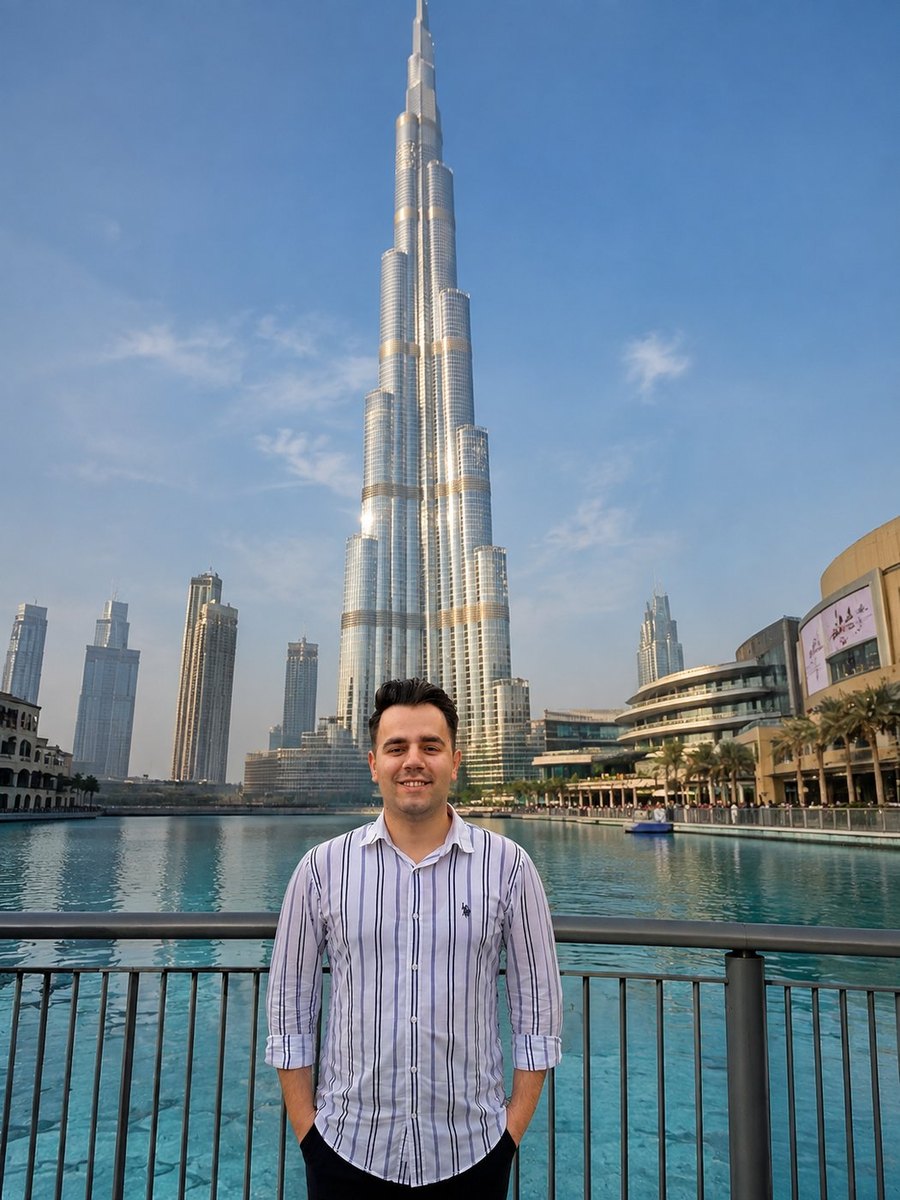
Dubai, UAE
The Gulf has a reputation for two contradictory things: deals move incredibly fast, and deals take forever. Both are true, and the thing that decides which one you get is entirely outside your product.
I spent a year in Dubai selling AI and automation powered CRM and loyalty platforms into retail, hospitality and financial services, running outreach across the UAE, Saudi Arabia and Türkiye. Here is the pattern I would hand to anyone starting now.
Speed is real, but it comes second
Yes, a Gulf client can go from first conversation to signature faster than almost anywhere in Europe. I have seen it happen inside three weeks.
What people miss is that the speed happens after a trust threshold is crossed, not before it. Before that threshold you can send a perfect proposal and get nothing, for months, with no explanation. The proposal was never the problem.
In the Gulf you are not waiting for a decision. You are waiting to become someone it is safe to decide in favour of.
Somebody inside has to vouch for you
This is the single highest leverage thing in the region.
I watched technically superior proposals lose to weaker ones, repeatedly, for one reason: the winner had a sponsor inside the building. Someone respected who said "I know these people, they are fine." That sentence is worth more than any feature comparison you will ever build.
How to find that person without being clumsy about it:
- Work through consultants and system integrators who already serve your target industry. They have the relationships and they are paid to have opinions.
- Industry associations and chambers matter here more than in most markets. Membership is not decorative.
- Trade events are not lead generation, they are relationship compression. The value is the dinner, not the booth.
- When you do get an introduction, do not immediately ask for five more. Give something real back first, and let the person see you a second time before you spend their credibility.
Know who is actually in the room
Gulf meetings often include people whose role is not obvious and whose title, if you get one, does not explain their weight. Family conglomerates in particular blend ownership, management and advisory in ways that a foreign org chart cannot capture.
Two habits help. Watch who defers to whom, and note who stays quiet. The quiet senior person is very often the decision. And never treat a junior attendee dismissively, because that person will write the internal summary that everyone else reads.
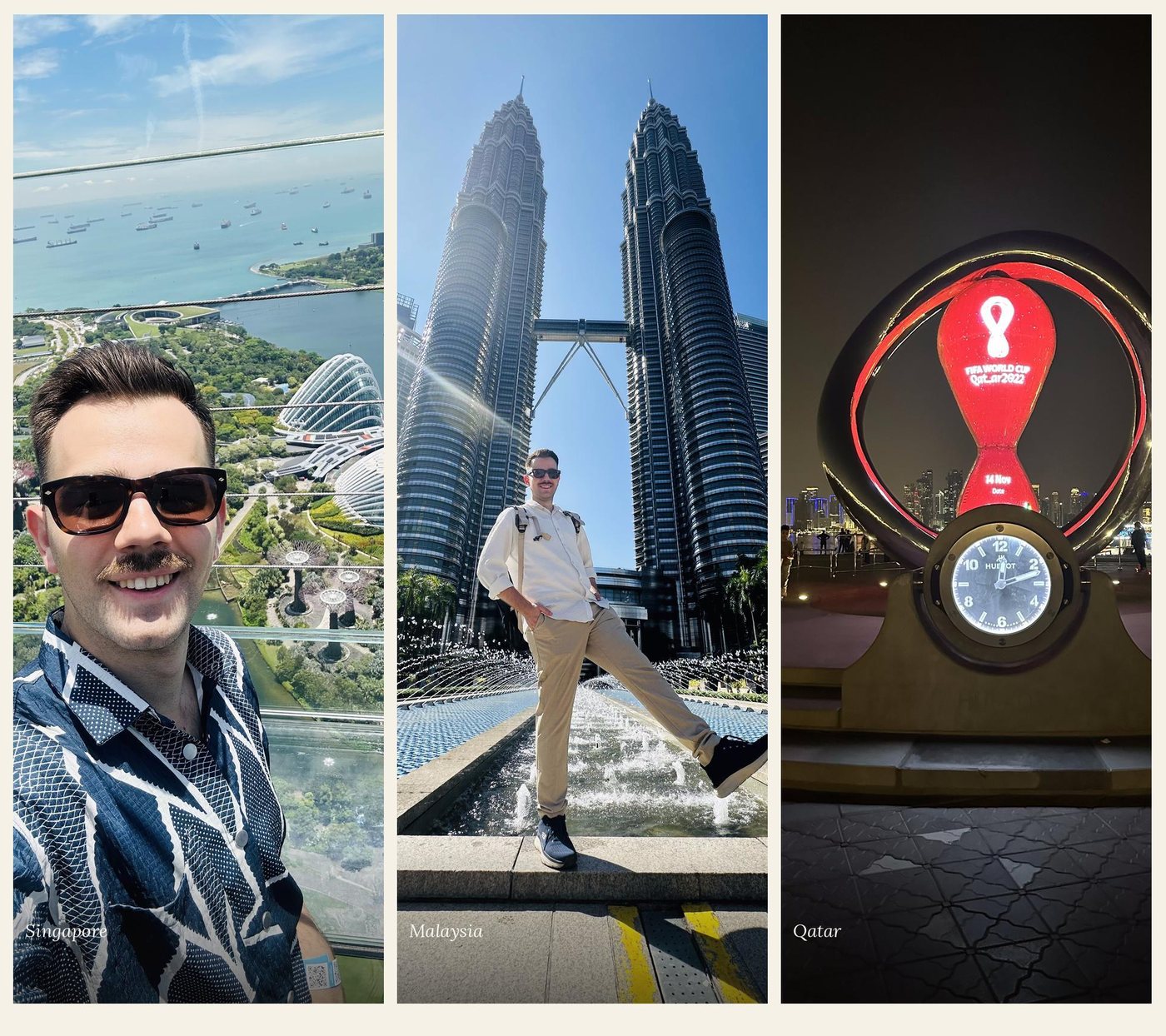
Market visits across Singapore, Malaysia and Qatar
The UAE and Saudi Arabia are not one market
Treating the GCC as a single territory is the most common structural mistake I see, usually visible in the first slide of an expansion plan.
The UAE is the easier entry point. It is international by default, English is standard in business, free zones make setup simple and decision makers are used to buying from foreign vendors. The tradeoff is that it is crowded. Everyone lands in Dubai first, so your competition is already there.
Saudi Arabia is a bigger prize and a heavier lift. Localisation expectations are real and increasing: local presence, local hiring, local partnership. Vision 2030 has created enormous appetite for exactly the kind of transformation projects a foreign vendor sells, but the procurement process is more formal and the in country value question will be asked. Turning up with a UAE address and expecting it to transfer does not work.
Plan them as two entries with two timelines and two sets of references. A win in Dubai helps you in Riyadh, but it does not qualify you there.
Procurement, pricing and the paperwork
A few things worth knowing before you quote:
- Discount expectation is cultural, not a negotiation tactic. Price with that in mind rather than being offended by it.
- Payment cycles run long, particularly with large groups and anything public sector adjacent. Build that into cash flow planning rather than into resentment.
- The pilot is your friend. One property, one branch, one region, with a named success metric and an end date. It bypasses committees and it gets you the local reference that makes the next deal simple.
- Local reference beats global logo. A small client down the road is more persuasive than a household name in another hemisphere.
The calendar again
Ramadan changes working hours and meeting rhythms across the region. The two Eid periods clear the diary. Summer in the Gulf empties the executive floor as families travel. Plan campaigns and market visits around these rather than discovering them in the middle of a push.
Conversely, the weeks immediately after Ramadan and the run up to major regional events are unusually productive. People are back, budgets are moving and everyone is meeting everyone.
What I would do differently
If I were opening the Gulf again tomorrow, I would spend the first month doing almost no selling. I would meet consultants, join the two associations that matter for my segment, attend one event without a booth, and try to leave with three people who would take my call.
Then I would pick twelve companies, not two hundred, and go deep. The 250 company outreach taught me the market. The twelve would have been the business.
Updated: August 2026
Building a Gulf pipeline? Always happy to compare notes.
Let's explore synergies