Doing Business in Türkiye: What Foreign Companies Get Wrong
I was born here and I have also sold into Türkiye from abroad. The gap between how foreign companies think this market works and how it actually works costs them entire quarters.

Istanbul, Türkiye
Most foreign companies arrive in Türkiye with a good product, a clean deck and a plan that assumes the sales process looks like the one they run at home. Then nothing moves for three months and they decide the market is difficult.
Türkiye is not difficult. It runs on a different set of rules, and almost none of them are written down. Here are the ones I would want a foreign company to understand before their first trip.
1. The relationship comes before the requirement
In many markets you qualify a lead, then build the relationship if the deal progresses. Here it runs the other way. The relationship is the qualification.
That first meeting where nothing concrete gets decided is not a wasted meeting. It is the meeting. Someone is working out whether you are a person they want to be associated with, because if this goes wrong internally, they are the one who brought you in.
You are not being evaluated on your product yet. You are being evaluated on whether you will still be around in a year.
Practical consequence: budget two or three touchpoints before you expect anything commercial. If you fly in for a single day and fly out, you have shown them exactly how much of a priority they are.
2. "Olur" is not yes
Turkish business language is warm, and warmth gets misread as agreement constantly.
A friendly "olur" over tea usually means "that could work, let us keep talking." "İnşallah" about a timeline means the timeline is not in that person's control. A meeting that ends with everyone smiling and no next date in the calendar is a soft no, delivered politely so nobody loses face.
The signal to watch for is not enthusiasm. It is specificity. When someone starts naming other people who need to be involved, or asks how implementation would work in their particular setup, the conversation has become real.
3. Hierarchy is real, and it is invisible in the org chart
Many of the strongest companies here are family owned or founder led, even at significant scale. The published structure will show you a professional management team. The actual decision may still route through a founder, a family member, or a long serving manager whose title does not suggest that kind of authority.
I have watched foreign vendors run an excellent process with a department head for two months, then discover that person could recommend but never approve.
Ask early, and ask plainly: who else needs to be comfortable with this before it happens? Nobody is offended by that question. What offends people is finding out you went around them.
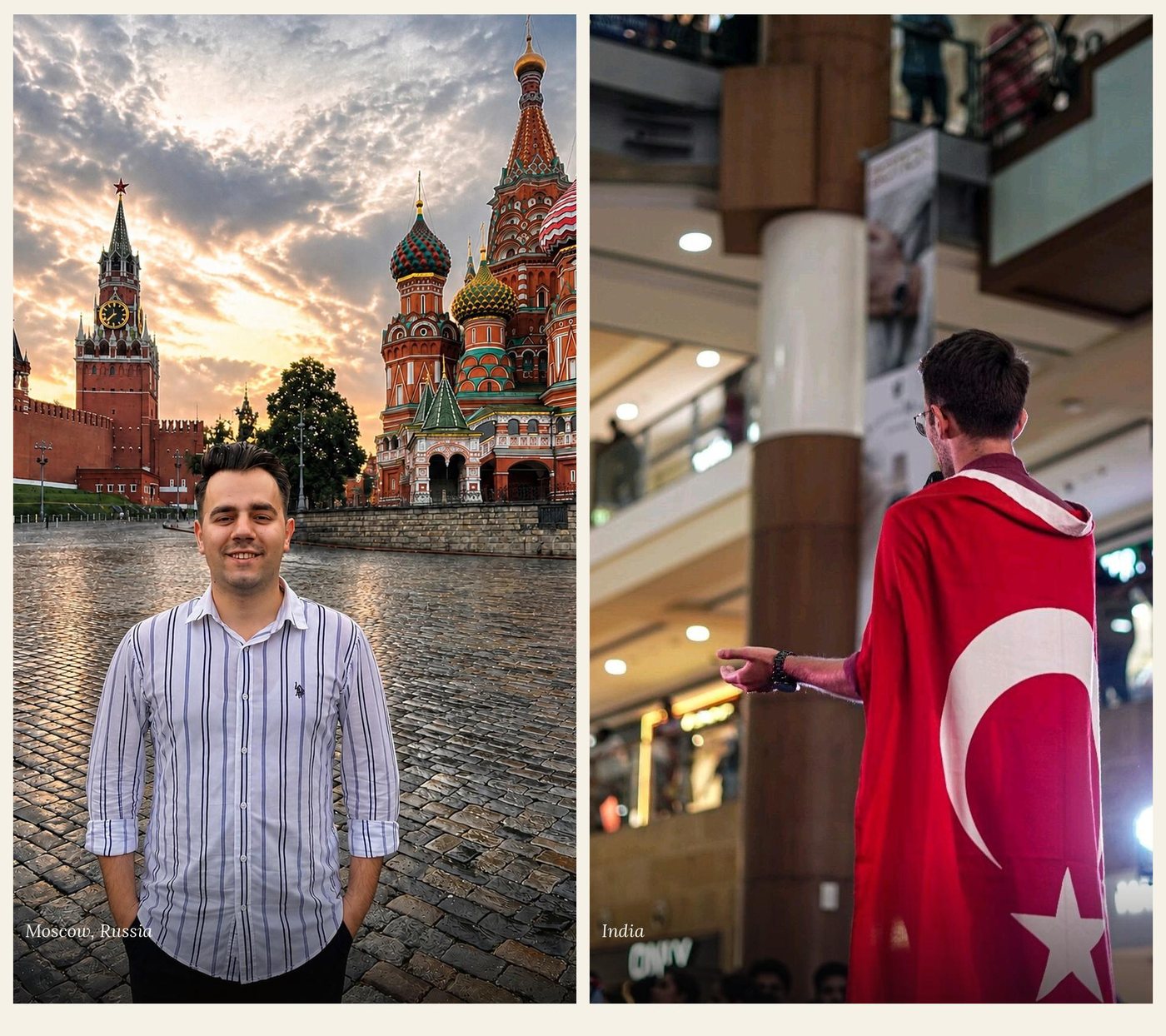
A Turkish community event, held in the middle of India
4. Payment terms matter more than price
This is the one I see cost the most deals, and it rarely appears in anyone's market research.
Cash flow discipline here is shaped by years of currency volatility and inflation. A Turkish buyer is not only comparing your price to alternatives, they are comparing what your terms do to their working capital. Offering 30 day terms in a category where local suppliers offer 90 or 120 makes you meaningfully more expensive without changing a single number on the price list.
Two things help. First, price in the currency the client actually earns in where you can, or be explicit and predictable about how you handle the exchange rate. Second, treat terms as a lever you can trade, not an administrative detail you announce at the end.
5. Local partner, or your own entity
There is no universal answer, but there is a useful test.
If your product needs local service, local language support and constant physical presence, a partner or distributor will get you moving years faster than a subsidiary will. If your product is mostly self serve and your margin cannot support a partner layer, go direct and hire one person locally who is already trusted in your segment.
What does not work is the halfway version: a distributor agreement signed with someone who has no incentive to prioritise you, and then surprise when nothing happens. A partner who is not making real money from you is not a partner, they are a logo on your website.
6. The calendar decides more than your pipeline does
Timing kills more Turkish deals than objections do.
- August is gone. Decision makers are on holiday and so are the people who would sign after them.
- Ramadan and the two religious holidays shift working rhythms and travel. Plan around them, and do not schedule your big push into them.
- Year end is either your best window or your worst, depending on whether the client has budget to use or a freeze in place. Ask which one it is rather than guessing.
- Election periods slow down anything touching regulation or public sector spend.
7. What actually works
Everything above sounds like friction. It is not, once you plan for it. The same characteristics that make the market slow to enter make it unusually loyal once you are in.
Turkish clients renew. They refer. They will call you before they call your competitor, sometimes for years, because the relationship was built properly the first time. Churn in a well served Turkish account book tends to be lower than in markets where the process was faster and shallower.
So the playbook is straightforward. Show up in person. Come back a second time before you need something. Ask who else has to be comfortable. Make your terms competitive, not just your price. Respect the calendar. And when someone finally says yes, understand that they have put their own name on you, and behave accordingly.
That last part is not sentiment. It is the actual mechanism by which the next five deals arrive.
Updated: August 2026
Planning to enter or expand in Türkiye? Always happy to compare notes.
Let's explore synergies